Above the Lines with Local Helicopter Pilot Chandler Hayes
Chandler Hayes helps protect the same reliable power he and his family count on at home.

When the helicopter comes into view above a Southeastern Indiana REMC right-of-way, it is hard not to stop and watch.
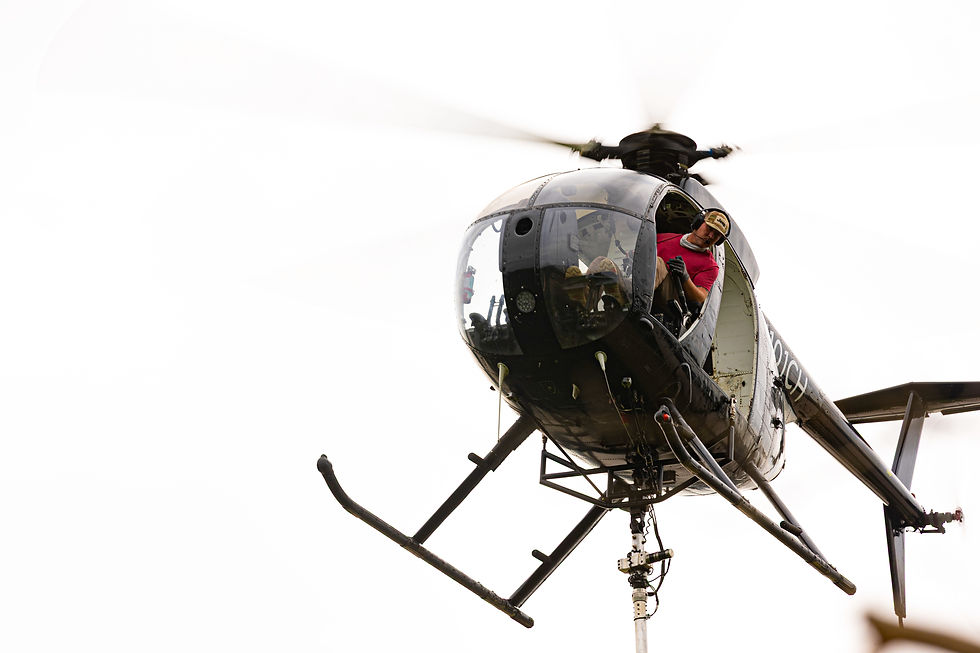
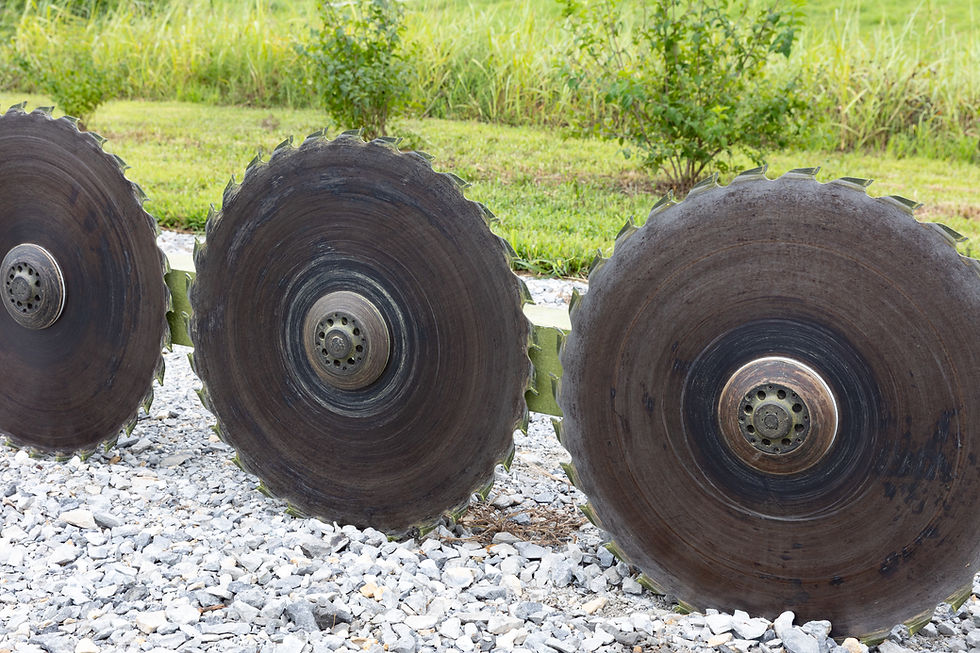
The rotors cut across the summer sky. The aircraft settles into a steady hover over the trees. Below it, a large aerial saw moves with purpose through limbs that have grown too close to the power lines.
For some members, it is an impressive sight. Cars pull over. Phones come out. Neighbors watch from porches and fields.
For others, it can be a frustrating moment, especially when the trimming changes the look of a familiar tree or leaves a temporary pile of limbs waiting for cleanup.
Chandler Hayes understands both reactions.
He is the pilot in the helicopter, but he is also a local resident who lives on the same electric system he helps maintain. When Chandler and his partner, Bailey, are working for SEI REMC, they are not simply moving through another service territory. They are working in the communities where they live, travel, shop and depend on reliable power just like everyone else.
“We have the same power that they do,” Chandler says.
That simple fact gives the work a different kind of meaning.
The goal is not just to clear a path through the trees. It is to protect the lines before wind, ice, storms or falling branches can interrupt service. Every careful pass Chandler makes above the right-of-way is part of SEI REMC’s larger effort to keep power safe and reliable for its members, including Chandler and Bailey themselves.
A local connection, from the ground up
Chandler grew up in English, Indiana, and now calls the SEI REMC service territory of Switzerland County home. He knows the rolling roads, wooded hillsides and tightly connected communities that make this part of southeastern Indiana special.
He also knows how quickly a storm can change the landscape.
In rural areas, power lines often cross hills, woods, fields and properties where access can be challenging. A limb that looks harmless on a calm afternoon can become a major problem during high winds, heavy rain, ice or a tornado.
For members, the results can be immediate: a flash, a downed line, an outage.
For line crews, every tree-related outage can also mean a more difficult and dangerous restoration job.
That is why SEI REMC invests in vegetation management. The work can be inconvenient in the moment, but it helps reduce the likelihood that trees and limbs will take down lines when the weather turns severe.
Chandler has seen the value firsthand. After recent storms, members shared feedback about areas where completed trimming had helped keep branches away from the lines.
“Reliable power in all the storms, thunderstorms, tornadoes and ice storms,” Chandler says. “That’s what people need to realize.”
For him, this work is personal. He and Bailey do not return to a distant home after the job is done. They go home to the same lines and the same dependable service that the trimming helps protect.

A helicopter does not arrive by accident
The helicopter may be the most visible piece of the operation, but it is only one part of a carefully coordinated effort.
Before Chandler ever lifts off, SEI REMC, the tree contractor and the aerial crew have work to do on the ground. Landowners must be contacted and permissions secured for staging areas and landing sites. In many cases, that means working with farmers or property owners who have agreed to let the helicopter land in a field, pasture or yard.
Those locations are essential. The helicopter needs safe places to land, refuel and prepare for the next section of right-of-way.
Chandler has worked in the area enough to know some of those landing sites well, but each job still takes planning and communication. The team needs to consider access, safety, the direction of the work, weather conditions and the locations where crews can safely support the operation.
Once a site is ready, Chandler flies the helicopter to the work area while Bailey follows on the ground with the truck and trailer. The trailer carries extra fuel, tools and spare parts needed to keep the operation moving.
They do not simply take off in the morning and remain in the air all day. Chandler returns to the ground periodically to refuel. Each landing is another coordinated moment between the pilot, Bailey and the crews working below.

Bailey handles much of that behind-the-scenes work, including the paperwork and ground operations that help keep the job organized. “She’s the brain power behind them,” Chandler says with a smile.
For Bailey, joining Chandler full-time in the business has meant a major change from the office-based work she did before.
“I like being outside,” she says. “And on off days like this, we get a lot more time together.”
The work has also given the couple a chance to travel together, often with their Great Pyrenees-Shepherd mix along for the ride. Their jobs have taken them across Indiana, Ohio, Kentucky, West Virginia, Mississippi and Michigan’s Upper Peninsula.
But this season, much of their work has been close to home, serving SEI REMC and neighboring cooperatives.
That makes every successful day feel a little more connected to the people they know.
The work behind the view
From the ground, aerial trimming can look like a dramatic display of flying skill. From Chandler’s seat in the cockpit, it is focused, technical work.
Chandler pilots a Hughes 369D helicopter while guiding a large aerial saw suspended beneath the aircraft. The saw allows him to trim vegetation near electric lines efficiently, particularly along stretches of right-of-way that may be difficult to reach with ground equipment alone.
The job requires him to hold the helicopter steady while monitoring the lines, the trees, the saw and the work zone below. He must also remain aware of changing weather and stay in communication with the tree crews supporting the operation.
It is not a skill learned overnight.
After serving four years in the Navy, Chandler went to flight school in Utah. He began flying helicopters at age 23 and has now spent about 13 years in the cockpit. He built experience through a variety of unusual jobs: flying over the Pacific Ocean to help tuna boats find schools of fish, mustering cattle in Australia and, eventually, aerial tree trimming.
He found his way into each opportunity through the close network of people in aviation.
“It’s all about who you know,” he says.
Aerial saw work became his specialty about seven years ago. The training starts with learning how a helicopter behaves while carrying a suspended load. Pilots may begin by lifting something simple, such as a rope or a tire, and learn to control the motion below the aircraft.
Only after gaining confidence with those basics does a pilot begin working with the saw itself.
During that early training, an experienced pilot may remain on the ground, speaking to the trainee by radio and coaching each movement. It is a steep learning curve that requires patience and trust in the process.
“The first six months” were the most nerve-racking, Chandler says.
But repetition builds confidence. What once feels overwhelming becomes practiced, controlled and almost instinctive.
“After a while, you just become numb to it,” he says. “It’s like anything else. You do it enough, you get used to it.”
That does not mean the work is casual. At the end of a long day, Chandler feels the physical and mental weight of concentrating for hours at a time.
“You get sore every day,” he says. “At the end of the day, you’re definitely ready to quit.”
Still, he enjoys the work. He likes the independence of operating his own business. He likes being outdoors. And after more than a decade of flying, he still likes helicopters.
“Helicopters are fun,” he says simply.

One operation, many people
Chandler may operate the helicopter, but aerial trimming is a team effort.
Tree crews establish and protect the work zone. They communicate with the pilot, watch for safety concerns, help keep people clear of falling limbs and begin managing debris. SEI REMC employees help coordinate the work and respond to member questions. Landowners make the operation possible by granting access for staging and landing sites.
The crews also understand that members may have concerns about cleanup.
As the helicopter moves efficiently through a section of line, limbs can come down faster than crews can fully process them. Crews work to keep roads and driveways clear, then return to complete cleanup as the aerial work progresses.
“Typically, they’ll get it out of the road and out of the driveways,” Bailey says. “Then it stays until the helicopter leaves and they have time to clean it up.”
The timing is intentional. Chandler and Bailey often work on a roughly two-week rotation between co-ops, allowing tree crews time to catch up with cleanup and address concerns before the aerial crew moves on.
The work also depends on the weather. A clear-looking day does not always mean the helicopter can fly. Low clouds, storms and changing conditions can delay work. And when severe weather causes outages, restoration takes priority over scheduled trimming.
That is another reason preventative work matters. The more vegetation safely cleared before a storm, the fewer branches may be waiting to cause problems when conditions are at their worst.

A shared investment in reliability
Members are right to care about the trees on their property. Chandler and Bailey understand that. A tree can hold memories, provide shade or be part of the view someone values every day.
But they also know that protecting reliable service requires difficult, thoughtful decisions about where trees and power lines can safely coexist.
The helicopter in the sky is a highly visible part of that work. What may look dramatic from the road is actually one piece of a planned, local effort involving landowners, contractors, crews and SEI REMC.
For Chandler, there is real satisfaction in helping keep the lights on in the place he calls home.
He sees the work from above, but he understands what it means on the ground: homes with power, families connected and communities better prepared for the next storm.

Vegetation management is one of the most important ways we protect reliable power and safer communities.
A tree limb near a power line may seem small from the ground, but during high winds, heavy rain or ice, it can quickly become an outage, damaged equipment or a dangerous downed line.
Keeping rights-of-way clear helps prevent many of those problems before they begin. It gives power lines the space they need to operate safely and reliably, while helping crews reach the area more quickly when storms do cause damage.
When limbs and lines come down together, roads may need to close to protect the public and give crews room to work safely. If you see a downed line, stay at least 30 feet away, keep children and pets clear, and report it right away. Always assume it is energized.